
Simultaneous Fire - Operational Updates on the Israeli Home Front

Last night, Israelis were reminded once again of the scale of the threat they face.
A ballistic missile launched from Iran struck a residential home in the northern town of Zarzir. This impact left more than 60 civilians injured.
Ballistic missiles are not tactical weapons. They are strategic systems designed to cause wide-area destruction - large blast radius, heavy fragmentation, and significant structural damage. When they hit civilian areas, the consequences are immediate and severe.
At the same time, there is an important operational trend worth noting:
In recent days we have seen a decrease in the number of ballistic missiles launched per barrage.
This does not eliminate the threat. But it is a meaningful indicator of the sustained pressure placed on Iran’s launch capabilities.
Behind the Early Warnings:
Behind every early-warning alert that reaches Israeli civilians stands a complex aerial defense network — and young officers who operate it.
In command centers across the country, young officers and soldiers sit in front of screens around the clock, monitoring airspace in real time.
Their responsibility is immense: within minutes — sometimes seconds — they must analyze incoming data, identify potential threats, and ensure that the entire nation is warned when a missile is heading toward populated areas.
These teams operate with constant vigilance. Their eyes are peeled in all directions, at all times. The system combines advanced detection technologies, interception capabilities, and rapid decision-making processes — but ultimately… It relies on the professionalism and composure of the soldiers behind the screens.
Their work often remains unseen, yet it is a critical layer in protecting civilian life during simultaneous attacks from multiple fronts.
Developments on the Northern Front
On Wednesday night March 11th, Hezbollah launched one of its largest recent attacks on Israel — firing nearly 200 rockets toward civilian communities in the north.
Details about the Hezbollah Attack
The attack included about 200 missiles and roughly 20 UAVs. They were in the air and on their way at the very same time as Iranian ballistic missiles. Simultaneous fire from both fronts.
Thanks to precise IDF intel in real-time, the IDF acted fast - and was able to rapidly strike Hezbollah launchers that were used in the first strike – in some cases with the terrorists still in their vicinity.
Approximately half of the launch infrastructure involved in the attack was neutralized, helping prevent additional waves of fire.
Despite the scale of the attack, the outcome could have been far worse. Emergency services responded quickly across multiple impact sites, and luckily only few people were injured.
Iran and Hezbollah: One Strategic Network
The operational reality shows a clear picture.
Hezbollah is the Iranian regime’s most capable regional proxy — funded, trained, and equipped to advance Iranian strategic objectives across the Middle East.
Over the past two and a half years, Hezbollah has suffered significant blows. That includes the loss of senior commanders, the disruption of weapons transfer routes, and sustained strikes on military infrastructure used to plan and carry out attacks against Israel.
Yet despite this, it seems Hezbollah has not changed direction. They continue to act according to the directives and interests of the Iranian regime rather than the needs of the Lebanese people.
Instead of focusing on Lebanon’s stability and prosperity, Hezbollah serves as a military arm of Iran’s regional strategy, increasing tensions and exposing Lebanon to unnecessary risks.
Targeting Iran–inside Lebanon
Last week, we shared that Iranian operatives had been eliminated in Lebanon. We also issued a clear warning to Iranian Quds Force operatives present in Lebanon: those who remained involved in hostile military activity and did not evacuate would be considered legitimate military targets.
Just yesterday, five senior commanders from the IRGC Quds Force’s Lebanon Corps and Palestine Corps were eliminated.
On Tuesday, the IDF struck and eliminated Abu Dharr Mohammadi, the operations commander in the IRGC missile unit operating within Hezbollah in Beirut.
Mohammadi coordinated closely between Hezbollah and senior Iranian officials and played a key role in Hezbollah’s military force build-up.
He is unlikely to be the last.
Reinforcing Troops and a Forward Defensive Posture
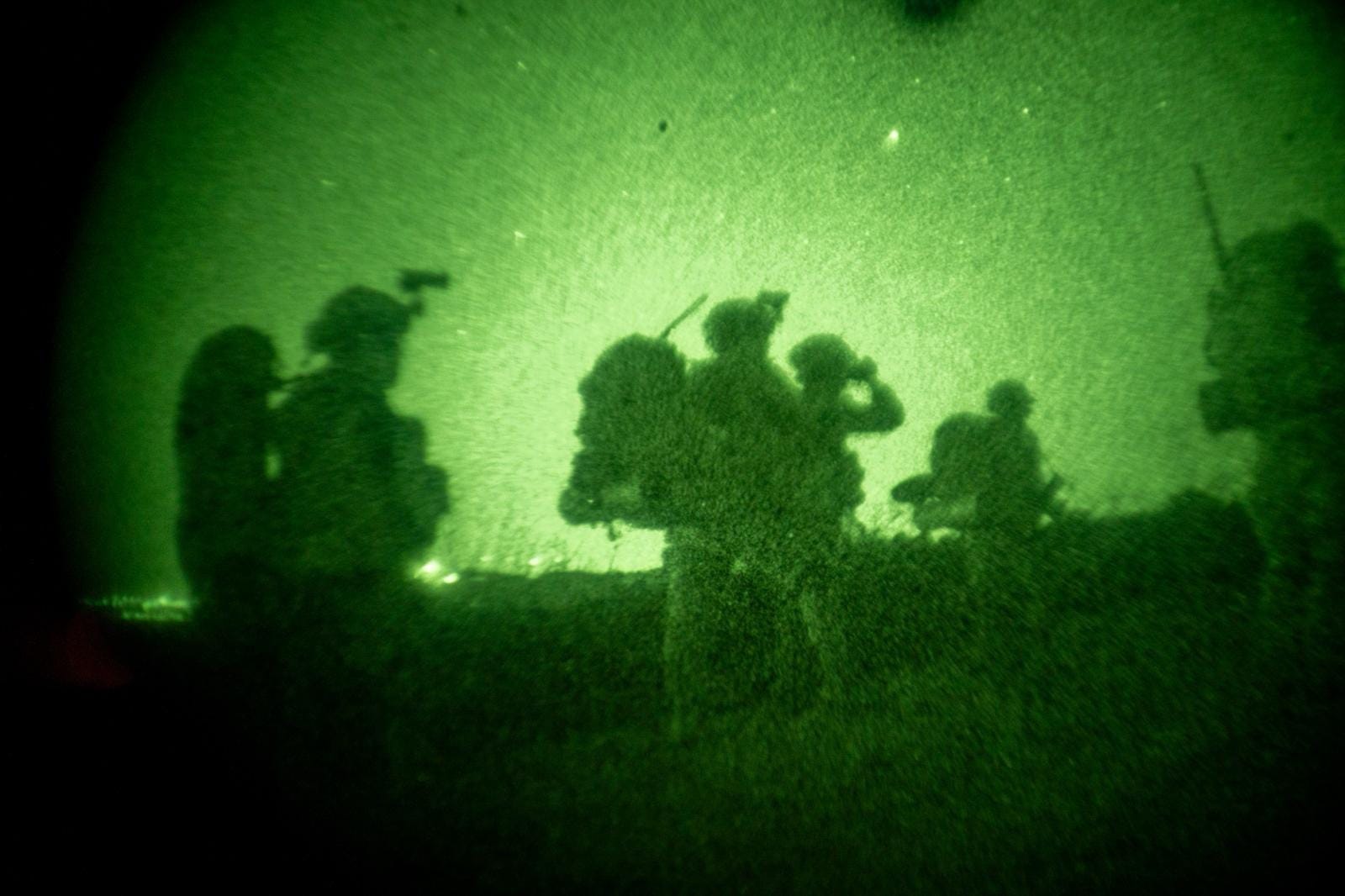
Despite the ongoing threat posed by Hezbollah’s vast rocket arsenal, Israel has made a clear decision: the civilians of the north will not be displaced from their homes. There will be no evacuations this time round. The responsibility for protecting them rests with the Israel Defense Forces.
We are continuing to operate with a forward defensive posture — taking preventive steps to address dangers before they can reach civilians.
Today, following a multi-arena situational assessment, the Chief of the General Staff, LTG Eyal Zamir, it was decided to send a reinforcement of troops to the northern border.
Addressing residents of the north this week, Commander of the Home Front Command MG Shay Klapper spoke directly to the public: “Citizens of Israel—your resilience and steadfastness are important to us in achieving victory.”
MG Klapper is right. Because in this war, victory is not measured only on the battlefield. It is measured in the resilience of the Israeli people and their determination, even while enduring fire from enemies on multiple fronts.
The State of Israel is not going away, and this time around, neither are the residents of Northern Israel. It is absolutely right that these stalwart citizens not be forced to evacuate and will be defended in the homes in which they have every right to live in safety now, and eventually in peace.
You cut off the head of the snake but like a headless chicken it still refuses to die.
🇮🇱🎗️🇮🇱